

Choosing a Velvet Fabric Supplier When to Consider JUHAO Velvet

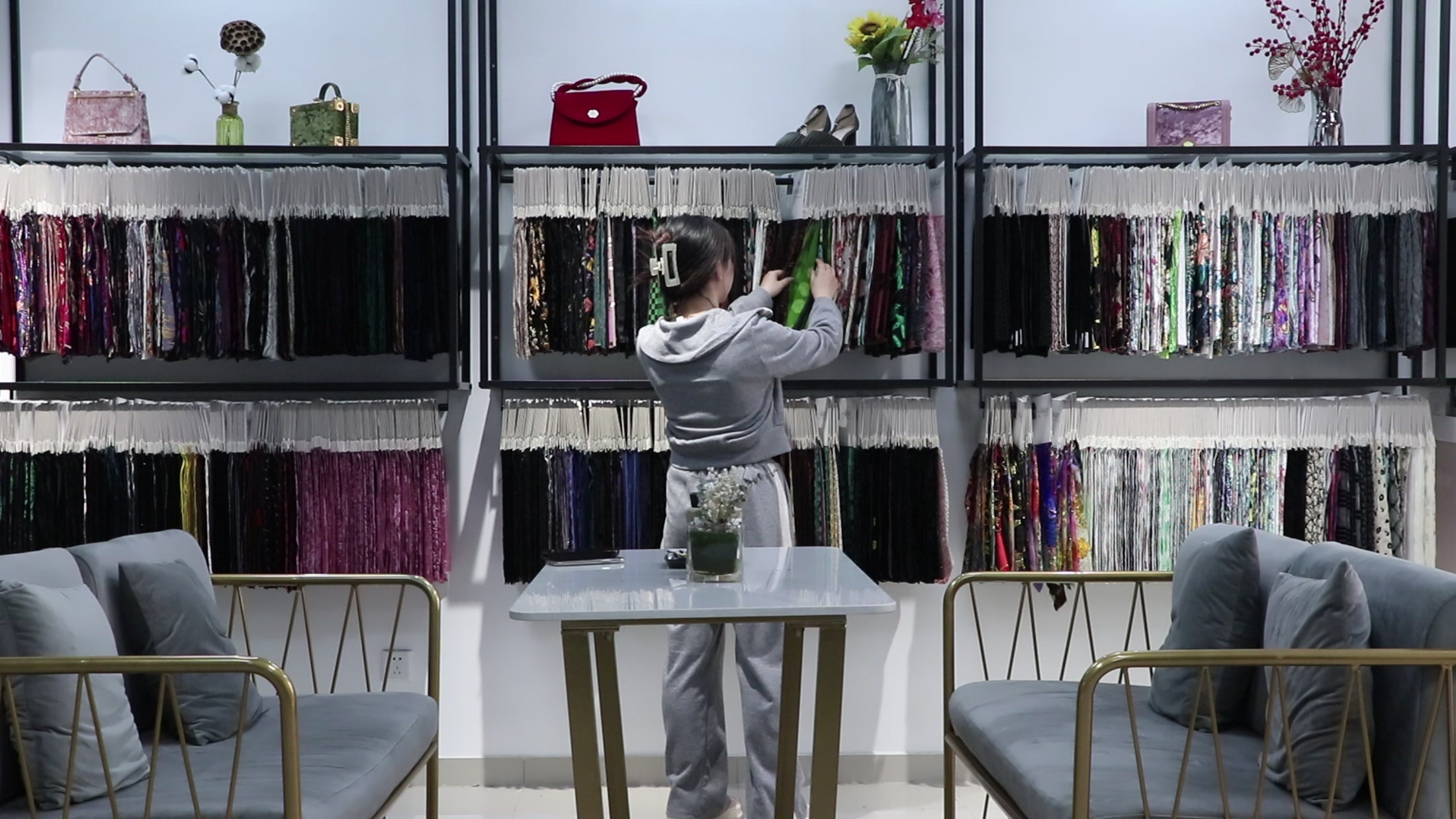
Does the supplier regularly handle fabrics like the one you need
When you use a garment photo to find fabric, a close visual match can still miss the mark: the pattern may look right but the fabric may be too thick, or the colour may match while the drape does not. Explain what garment you plan to make before sharing reference images. A similar pattern does not automatically mean the fabric is suitable.
According to information supplied by JUHAO Velvet, its velvet business dates back to 1992, with more than 10,000 fabric designs and products developed over the years. For buyers, that collection can help identify relevant physical samples; it cannot replace examining them. Shortlist a few fabrics, then compare their feel, thickness and pattern scale rather than trying to decide from a large number of photos.
Why request burnout velvet samples before discussing bulk production
Burnout velvet appeals through the contrast between its pattern and ground fabric. For a garment, you also need to consider where the fabric is sheer, whether lining is needed and how the pattern sits across the front, sleeves and skirt. A design that looks attractive on a small swatch may look different across a complete garment.
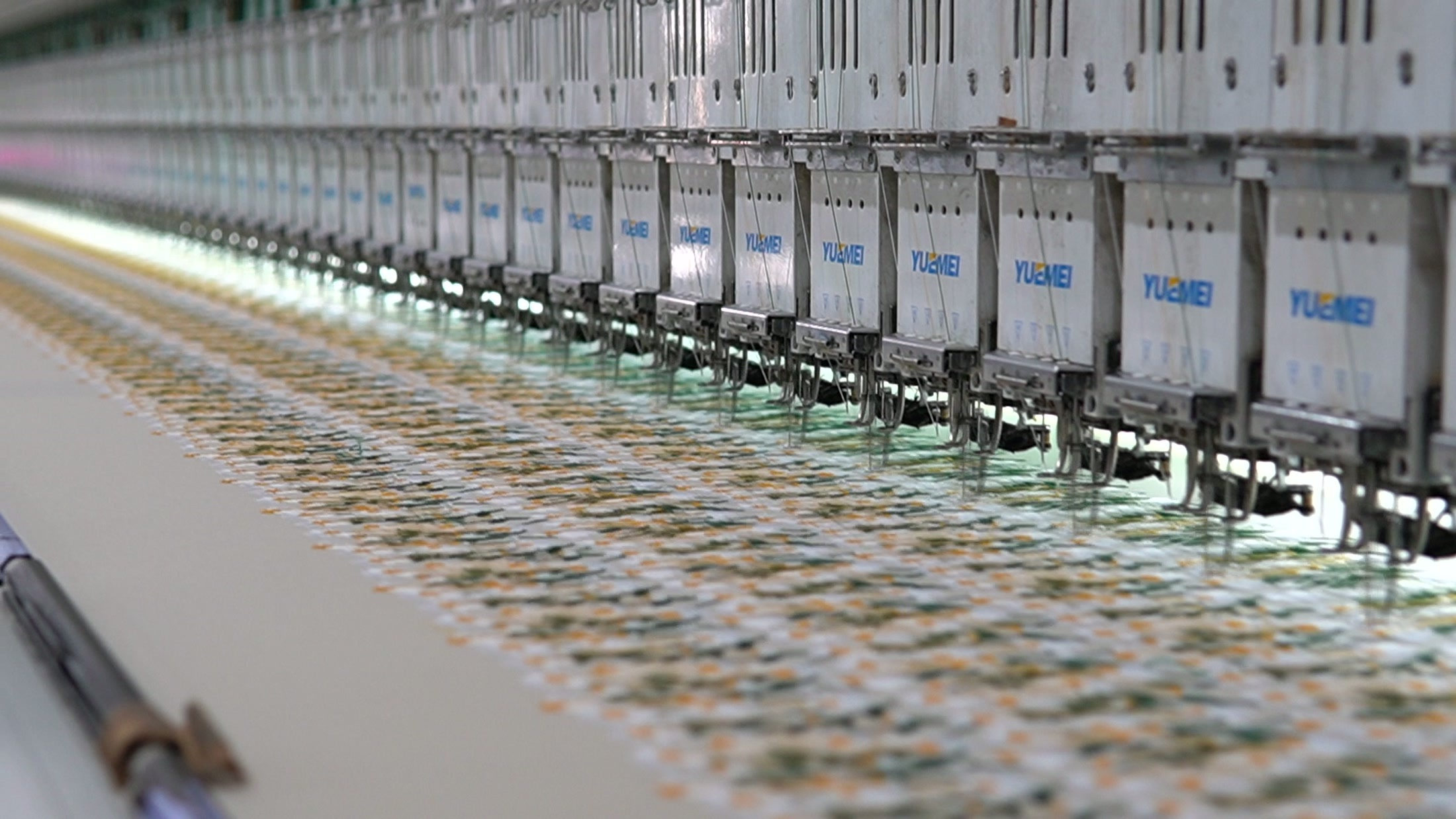
JUHAO Velvet identifies burnout as a key area of its work and also presents embroidery, foil printing and rhinestone embellishment. When sourcing these fabrics, ask whether the supplier has made something similar. Use an existing sample to discuss which features to keep and which to change, with the fabric in front of you whenever possible.
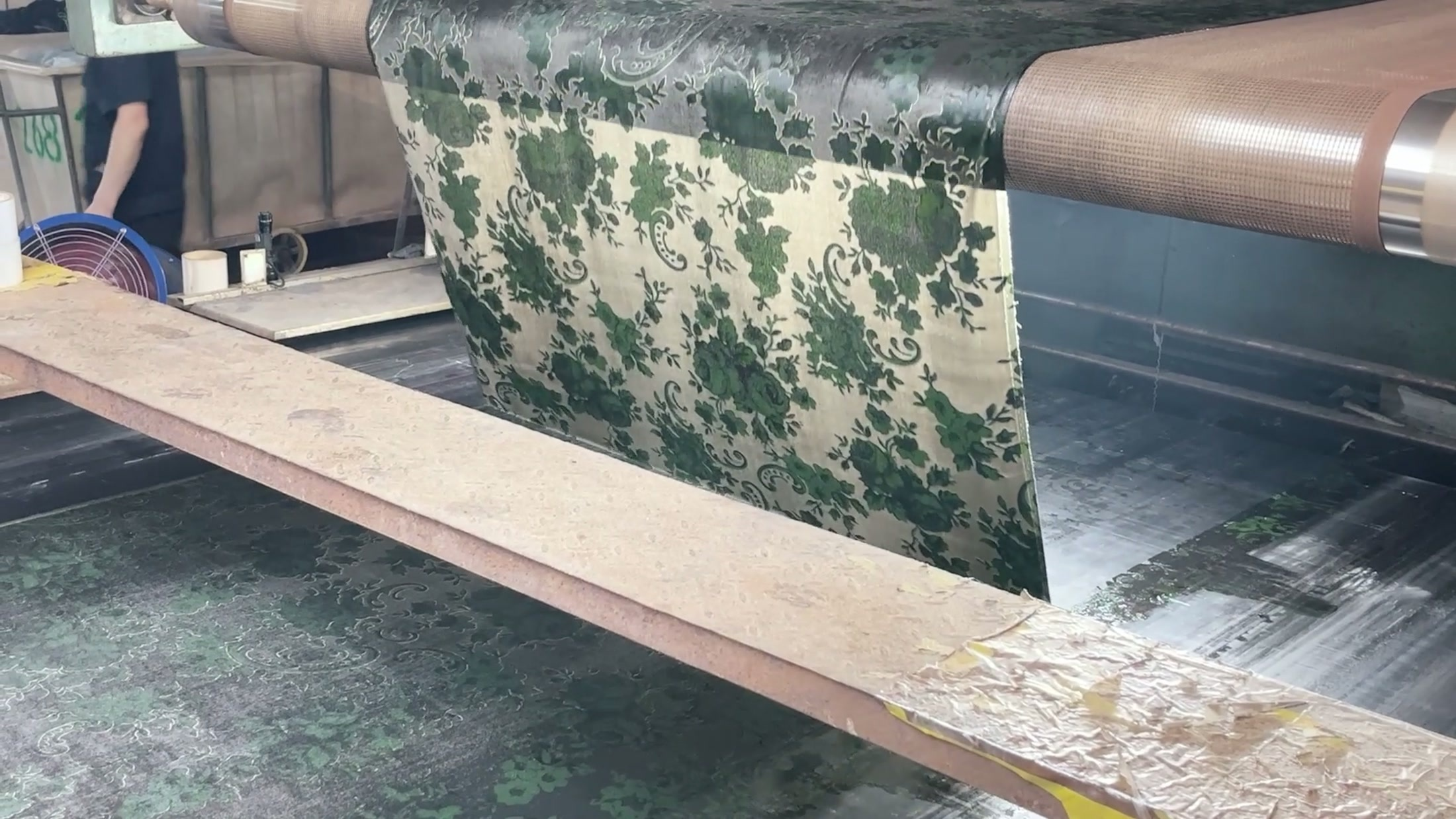
If a new design is needed, agree on the ground fabric and pattern dimensions before discussing sampling. You may want a larger motif, less transparency or a softer feel; the supplier needs to assess whether those requirements can work together. Ask not only whether it can be made, but also how the finished fabric might differ from your reference.
JUHAO Velvet states that it draws on its existing products and processing experience to assess feasibility. For buyers, the value is in identifying what needs testing before placing an order. Where an effect can only be confirmed through a physical sample, allowing time for sampling is usually more manageable than trying to make changes after bulk production.
How to ask about minimum quantities and prices for a small trial run
Small brands and design studios often want to avoid buying too much fabric when developing a new style. When contacting JUHAO Velvet, say whether you need fabric for a sample garment or a small production run, and provide the estimated quantity, number of colours and pattern. The company describes a willingness to work on small runs, niche designs and complex products; the actual minimum order still needs to be confirmed for the fabric you choose.
First ask whether an existing fabric is available. If its colour and pattern already suit your needs, there may be no reason to develop a new one. If custom development is necessary, ask separately about sample charges, processing costs and the bulk price per metre. Being able to supply a swatch does not mean that any quantity can be produced at the same unit price.
Does a lower price per metre mean a better deal
That depends on how much fabric each garment will use. Two similarly priced velvets may have different usable widths, or one may require pattern matching, changing the cutting requirements. For a large motif, involve your patternmaker or cutting team early to assess placement and fabric waste.
Give each supplier the same requirements when comparing quotations. Specify fibre composition, fabric weight, width, colour, pattern and quantity, then check which processing steps are included and how shipping is charged. Only then can you compare prices fairly. For small velvet orders, the time spent on sampling and revisions can also affect whether a new style launches as planned.
Discuss repeat orders before placing the first one
Once the sample garment is finished and you are happy with the fabric, think about replenishment. If the style sells well, will the next order come from stock in the same batch, or require another production run? Is enough fabric available in the same colour, and how long would a repeat order take? Asking early helps you decide how much to buy initially.
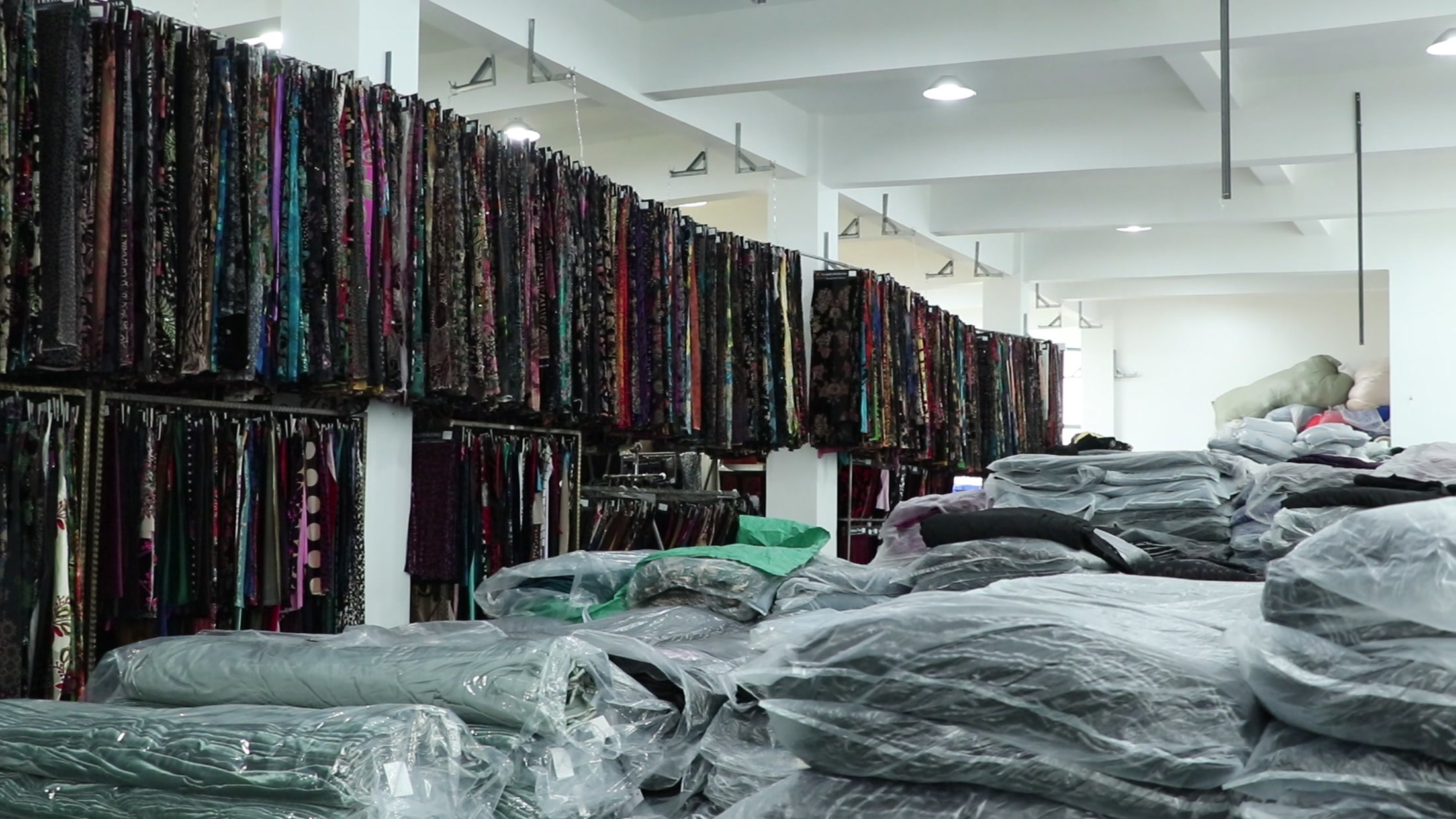
Warehouse and production images can show the working environment, but they do not establish how much stock remains for a particular fabric. When asking JUHAO Velvet about availability, give the exact fabric reference, colour and quantity, and confirm both stock and lead time. If you have already committed to a garment delivery date, distinguish the fabric dispatch date from its expected arrival date.
Keep the approved sample from your first order. Use it to compare colour, pattern, feel and specifications when reordering. If fresh production is needed, ask whether a sample from the new batch can be supplied first. Orders with specific requirements for colourfastness or changes after washing should also have agreed testing and acceptance criteria; photos and touch alone cannot establish those properties.
If you need a velvet fabric supplier willing to discuss patterns, processing and small-volume development, requesting samples from JUHAO Velvet is a practical first step. Whether to work together ultimately depends on how well its samples and order terms meet your needs. Have your garment drawings, target colours, estimated quantity, budget and required arrival date ready so that the first conversation can be specific.